BPC-157
BPC-157. A fifteen-amino-acid peptide derived from human gastric juice that survives enzymatic destruction and activates four parallel repair pathways. The repair signal, delivered directly.
Clinician-prescribed. Ships from a licensed U.S. pharmacy.
The Repair Signal That Survives Everything.
Most peptides are destroyed within minutes by proteolytic enzymes. BPC-157 survives human gastric juice for over 24 hours. It evolved in the most proteolytically hostile environment in the body and emerged stable enough to function as a persistent repair signal in any tissue it reaches. Four pathways operate in parallel. VEGFR2 activation builds new blood vessels at injury sites by sensitizing endothelium to existing growth factors. Dual nitric oxide modulation (Akt-eNOS and Src-Caveolin-1-eNOS) drives vasodilation and endothelial stability. FAK-paxillin phosphorylation mobilizes fibroblasts to the damage site. GHR upregulation sensitizes connective tissue to circulating growth hormone. One peptide coordinating angiogenesis, cell migration, receptor sensitization, and survival signaling simultaneously.
The Evidence
Conventional Tissue Repair Approaches vs. BPC-157
| Conventional Tissue Repair Approaches | BPC-157 |
|---|---|
| PRP provides a one-time growth factor bolus without addressing receptor sensitivity | VEGFR2 sensitization builds sustained vascular infrastructure at injury sites |
| Corticosteroid injections reduce inflammation but impair structural healing | Drives fibroblast activation and collagen formation, not just inflammation control |
| NSAIDs suppress prostaglandins needed for early-phase repair | Opposes NSAID-induced gastric damage while promoting tissue repair simultaneously |
| Physical therapy cannot overcome biological supply bottlenecks alone | Provides the biological resources (blood supply, cell migration) that rehab needs |
| Prolotherapy creates controlled irritation without growth factor support | Four parallel pathways produce coordinated repair, not isolated interventions |
| Each approach addresses one dimension of repair in isolation | Stable in gastric juice 24hrs+, no carrier or encapsulation required |
Details
Disclaimer and Transparency
Important Information About Compounded Injectables
- Compounded medications are not reviewed or approved by the FDA and do not undergo the same pre-market evaluation as FDA-approved drugs.
- IVUSE peptide injections are prepared using peptide ingredients by FDA-registered, U.S.-licensed 503A & 503B compounding pharmacies, where available and clinically appropriate.
- Availability and formulation may vary based on state regulations, evolving clinical guidance, and pharmacy partners.
All prescriptions, treatment decisions, and care plans are made independently by licensed healthcare providers using their professional judgment. Images and product depictions are for illustration only; actual packaging and supplies may vary.
*If you are interested in a prescription product, IVUSE will coordinate a telehealth visit with a licensed medical provider who will determine whether you are an appropriate candidate based on your health profile and current standards of care. If approved, a prescription will be issued and filled by one of our partner pharmacies. All prescriptions are subject to provider discretion and clinical appropriateness.
These statements have not been evaluated by the Food and Drug Administration. This product is not intended to diagnose, treat, cure, or prevent any disease. All information provided here is for educational purposes only and does not replace personalized medical advice from a qualified healthcare professional.
Stop the medication and contact your provider if you experience persistent or concerning symptoms. Seek immediate medical care if you develop signs of a severe allergic reaction (such as hives, facial swelling, or difficulty breathing) or any rapidly worsening symptom.
What happens next
Choose Your Protocol
No consultation fee. No hidden costs. Single vials or a full 12-week cycle.
Complete Your Clinical Intake
A board-certified clinician reviews your health history, medications, and goals. Asynchronous. No appointments. No waiting rooms.
Your Prescription Ships
Compounded by a licensed U.S. pharmacy. Delivered to your door in 2-4 business days. Cold-shipped when required.
Stack Your Protocol

TB-500
Synergistic healing of soft tissue, ligaments, and tendons. TB-500 drives cellular migration to the injury site while BPC-157 protects and stabilizes the tissue as it rebuilds.
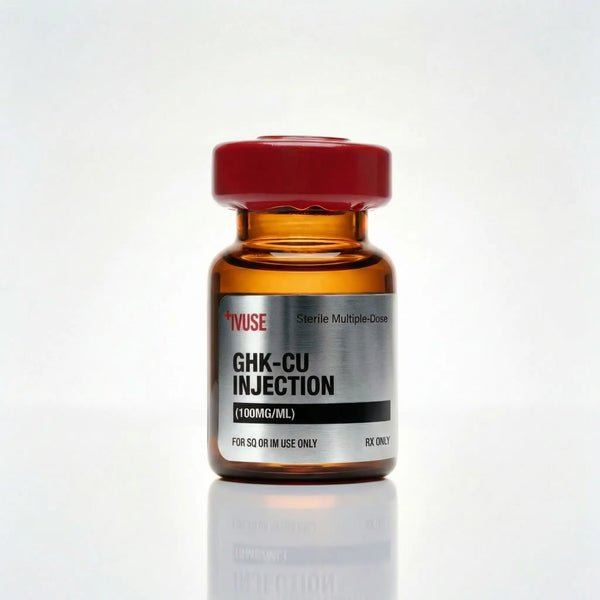
GHK-CU
Wound healing and skin repair at the cellular level. GHK-CU rebuilds the extracellular matrix at the surface while BPC-157 repairs the deeper tissue beneath it.

MOTS-C
Metabolic performance and ATP support during recovery. MOTS-C supplies the cellular energy that repair demands while BPC-157 directs it toward tissue regeneration.